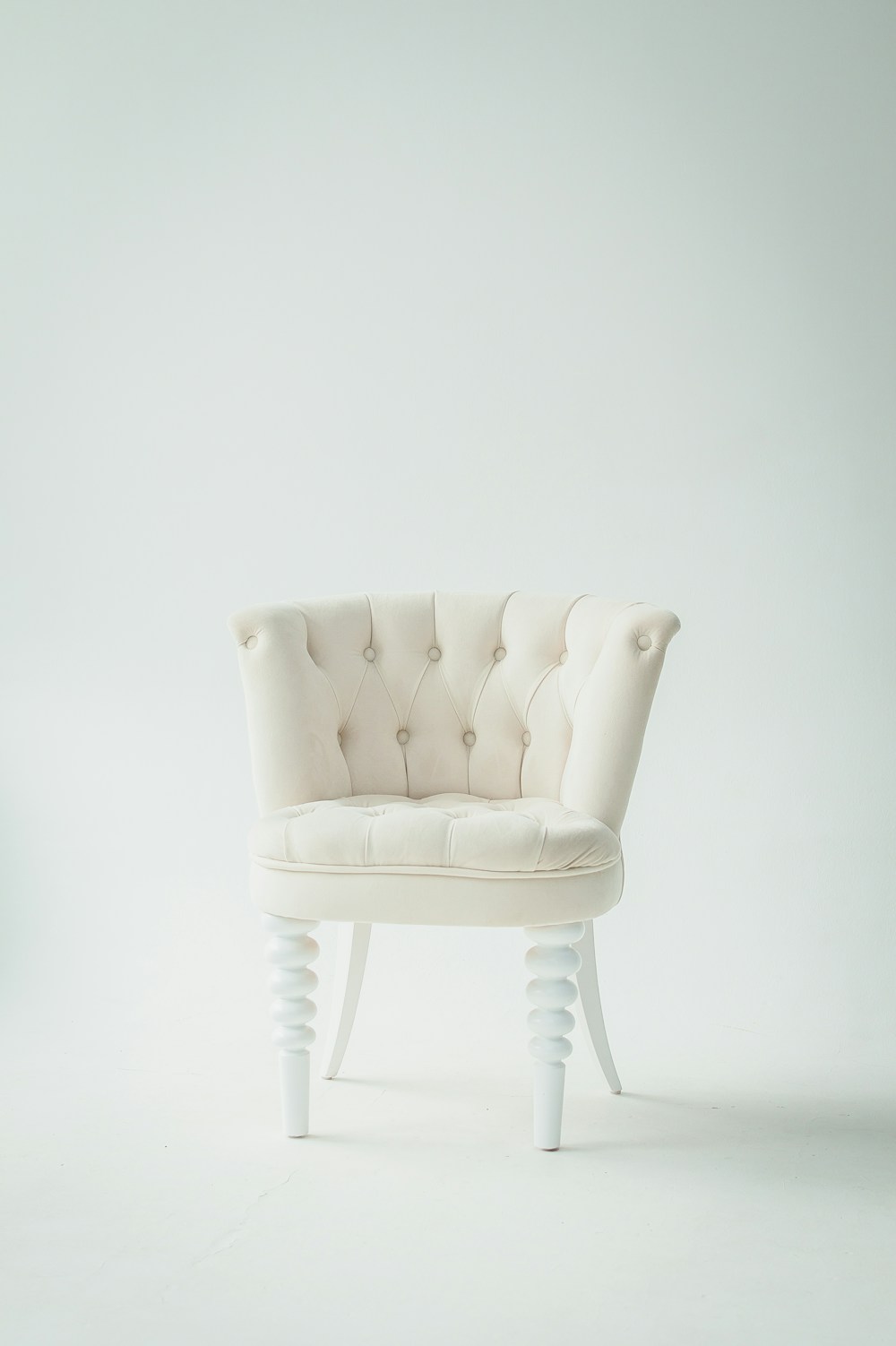
A good catalog helps a customer understand the piece before sending the first message. Clear photos do much of that work. They show proportions, details, and condition, while the written listing supplies the facts that a camera cannot establish.
Make the subject unambiguous.
Choose a main photo where the full piece is visible. Remove distracting objects when practical, use even light, and check that the image is sharp. A room photograph is useful for context, but it can leave a customer wondering whether you are selling the table, the chairs, or the whole set.
Photograph your own work or use images you have permission to publish. If you are showing a past commission, make that clear instead of implying that the exact piece is in stock.
Build a small set of complementary views.
Each additional photo should answer a question. Repeating almost the same angle adds less information than showing the back, a storage compartment, or a close-up of the finish.
- The complete piece from a front or three-quarter angle
- A side or rear view when it explains the design
- A close-up of the finish, joint, or hardware
- Open drawers, doors, or extension mechanisms where relevant
- Any variation or condition detail a buyer should know about
Let AI draft the visible details, then review them.
In the Furnmarket listing editor, upload your photos to start an AI-assisted draft. It can suggest a title, category, description, and visible attributes. If a photograph contains several pieces, describe which one you want to list.
Review every suggestion against the actual piece. AI can misidentify a category or describe a feature that is not present. It cannot verify a hidden construction detail, manufacturing origin, or material from appearance alone. The editor asks you to review an AI draft before publishing it.
Add the facts you know as the maker.
Enter the price and measured dimensions yourself, and confirm materials, finish, availability, and production timing. Distinguish a ready-made item from a made-to-order option or a portfolio project. A portfolio photograph should help a buyer start a conversation without presenting a past job as available inventory.
Use the same product or SKU identifier when updating an existing catalog. Review the published listing and your workshop page after a change, then share your workshop link wherever customers already find you.
- Price and any genuine discount
- Measured width, depth, and height, with units
- Confirmed materials and finish
- What is included, and which options cost extra
- Availability, lead time, and delivery arrangements